Virtual Reality (VR) Projects
This collection showcases my research and development work in virtual reality, spanning user experience design, perceptual studies, and educational applications. Each project demonstrates my approach to designing, implementing, and evaluating VR systems that enhance human interaction and learning.
2024
Virtual Reality Modules for MATH 1050
In this project, I served as a VR UX expert on a project that aims to create VR labs for MATH 1050 students at the University of Utah. The objective was to help math students learn and rehearse math concepts. I developed evaluation plans and supervised playtest sessions to ensure each lab’s quality.
2023
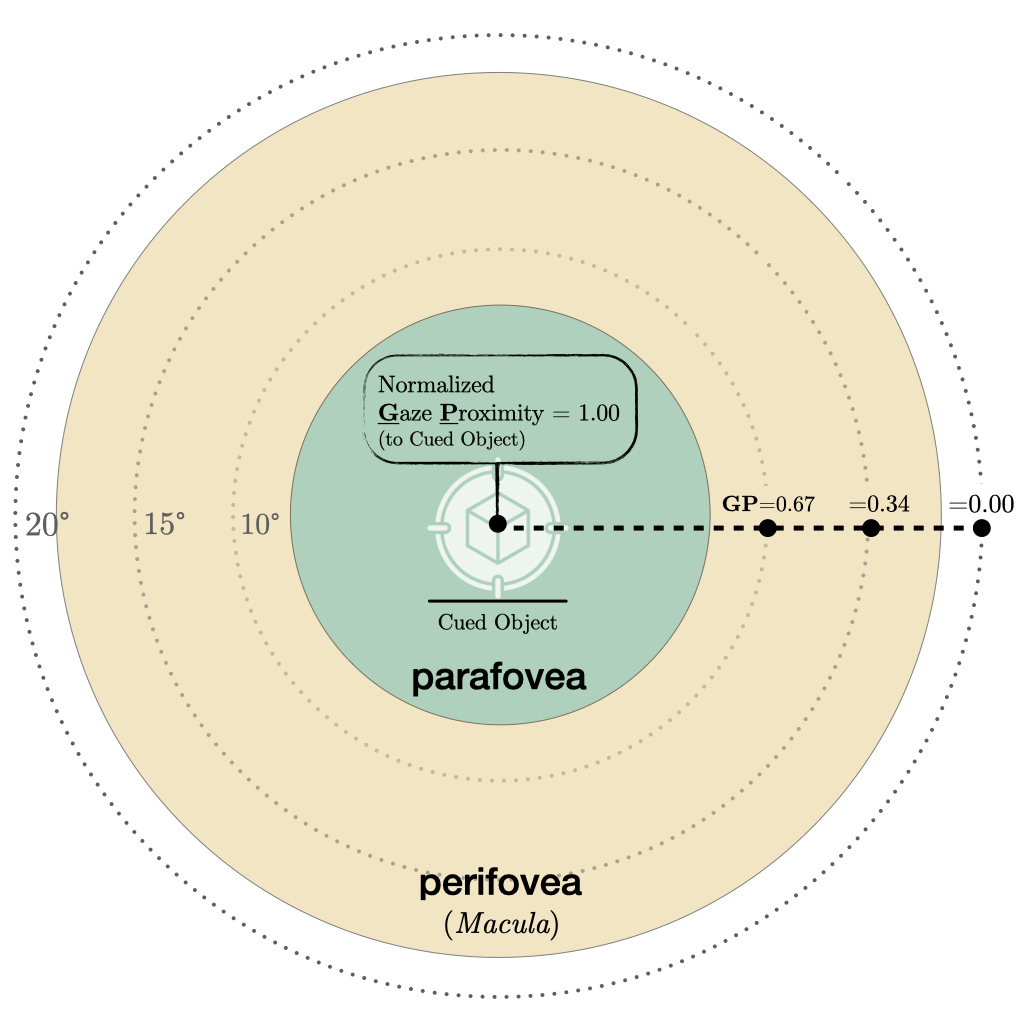
World-space Cueing: A Subtle Gaze Direction Modulation Technique for VR
A geometrically-compact modulation technique for subtle gaze guidance in VR environments. World-space Cueing was deployed and tested in a virtual reality environment developed for the purpose of evaluating event segmentation and gaze directing techniques.
2019
Effect of Virtual Reality Input Devices on Interactive Fidelity
A first-person shooter (FPS) VR experience that contrasts using the Microsoft Xbox 360 controller against the HTC VIVE wand. I assessed the effect of the input device on self-reported presence, engagement, and performance as well as real performance in terms of accuracy and speed.
Artificial Intelligence (AI) Projects
The following projects explore the application of artificial intelligence and machine learning techniques to enhance virtual reality experiences and automate tedious design tasks to creating adaptive systems that respond intelligently to user behavior and preferences.
2025
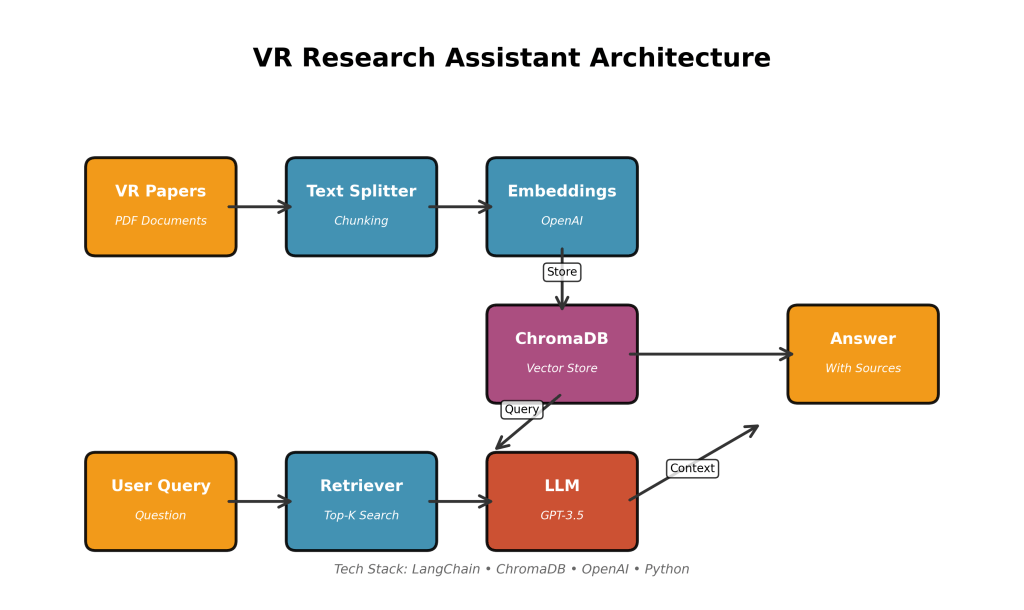
VR Research Assistant with RAG , Fine-tuning, and LLM Integration
An AI-powered research assistant that enables semantic search and question-answering across XR academic papers using Retrieval-Augmented Generation (RAG). Built with LangChain, ChromaDB, and OpenAI’s GPT models to help researchers quickly find relevant information from hundreds of research documents..
2022
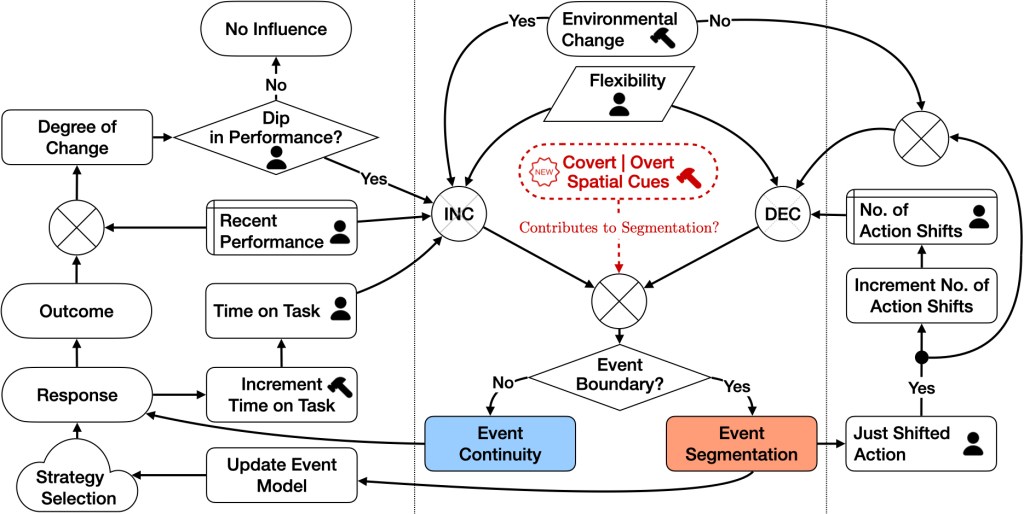
Computationally Simulating the Effect of Gaze Guidance on Interactive Event Segmentation within Immersive virtual Environments
A project to computationally simulate the effect on a person’s event segmentation that could hypothetically be induced via gaze guidance techniques within an immersive virtual environment. I modeled gaze guidance via rational modifications to the Fluid Events Model of segmentation.
 Monthir Ali